Ducon Tile Joint Filler (Cementitious)
Cementitious Tile Joint Filler
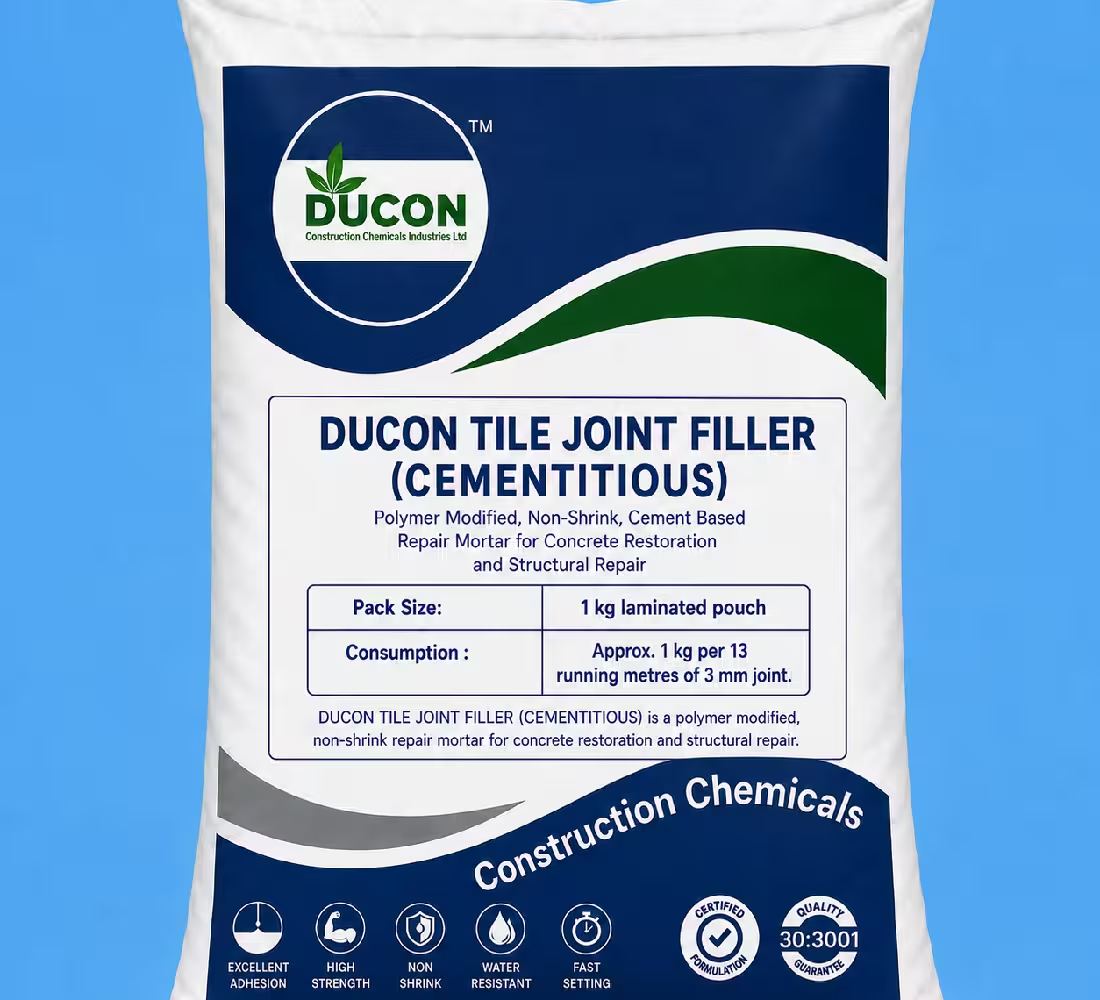
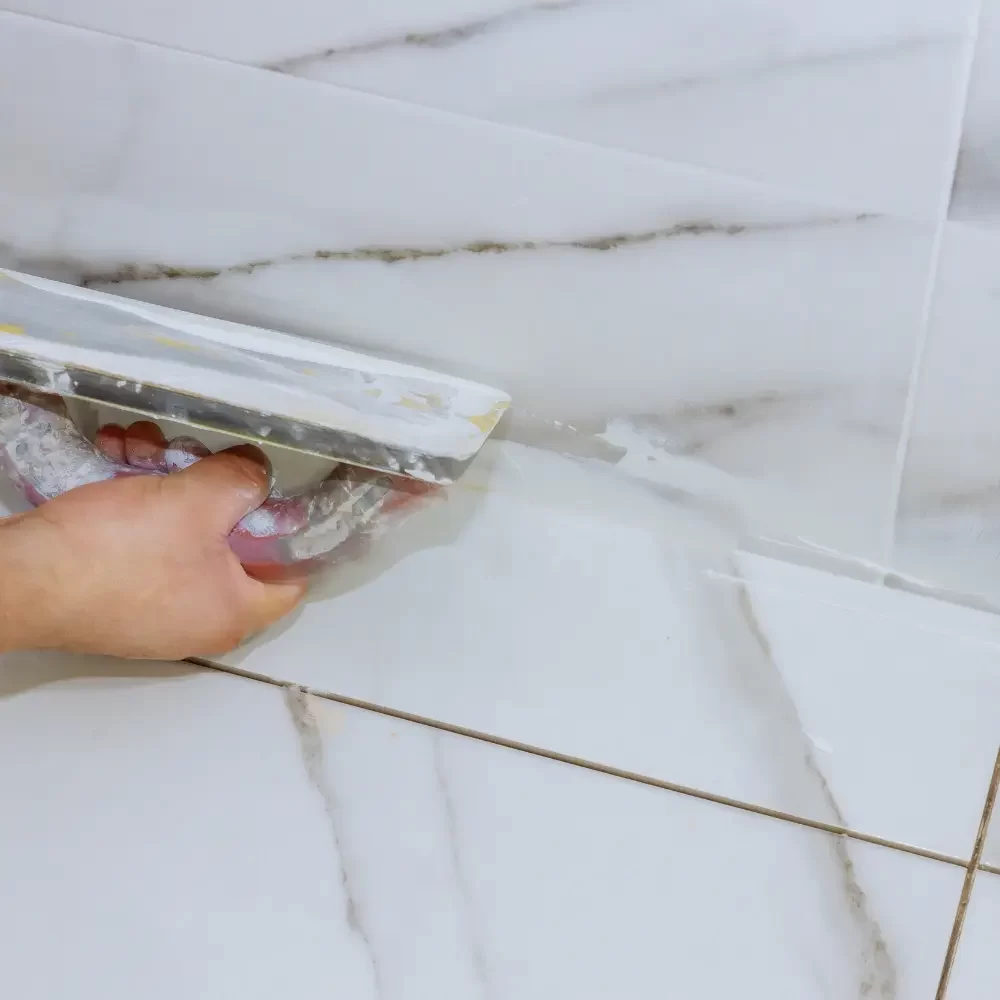
Manufactured by Ducon Construction Chemicals Industries Ltd. at our Gazipur production facility, Ducon Tile Joint Filler is a polymer-modified cementitious grout formulated to seal the joints between wall and floor tiles. It bonds tightly to the tile edge, holds out water, and resists the fungal staining that turns ordinary cement joints black within a season. Compressive strength is 20 N/mm² or higher, water absorption sits below 0.1%, and shrinkage stays under 0.1%, figures that matter to specifiers and not just to the finish. Supplied in 1 kg pouches for retail counters and in project quantities for contractors, it sits alongside the rest of our construction chemicals range, with tile joint filler price in Bangladesh quoted factory-direct from our own plant.
Pack Size:
1 kg laminated pouch
Cementitious Tile Joint Filler Price:
Approx. 300 -350 Taka Per 1 kg Pack
Consumption:
Approx. 1 kg per 13 running metres of 3 mm joint